How we got here
October 6, 2026
Every app has an origin story. This one has a Hawaiian shirt, three names, and a guitar that spent a few years in the corner judging me. Here's how sound2score got here.
10 years ago: InstantNotation
June 2016. Sam Blakelock and I built an app that watched me play guitar and wrote down what I played, notation and tab scrolling under the video. We called it InstantNotation. It was the very first sound2score, and it was rough. The shirt was not.
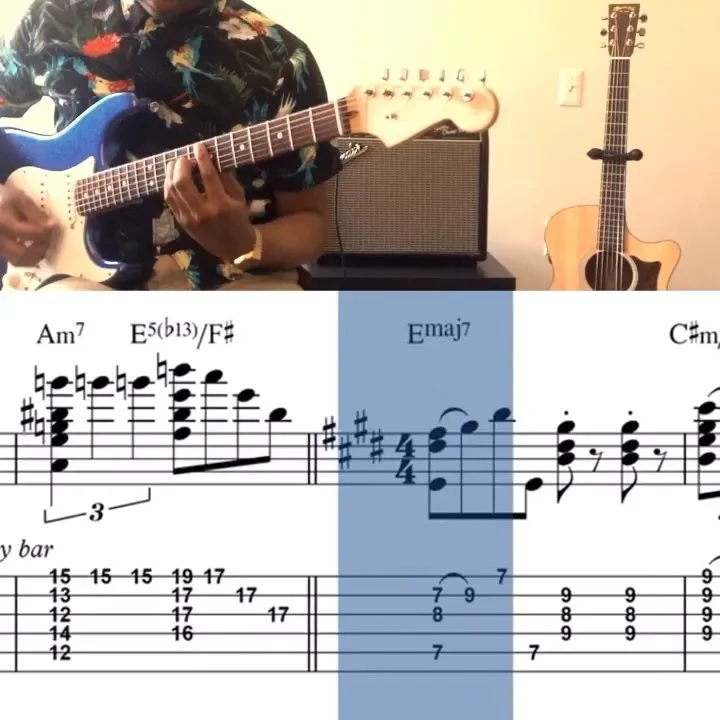
9 years ago: look ma, a fretboard
InstantNotation grew a fretboard, so you could see where every note lived, not just what it was called. It got better slowly, which is the only speed I come in.
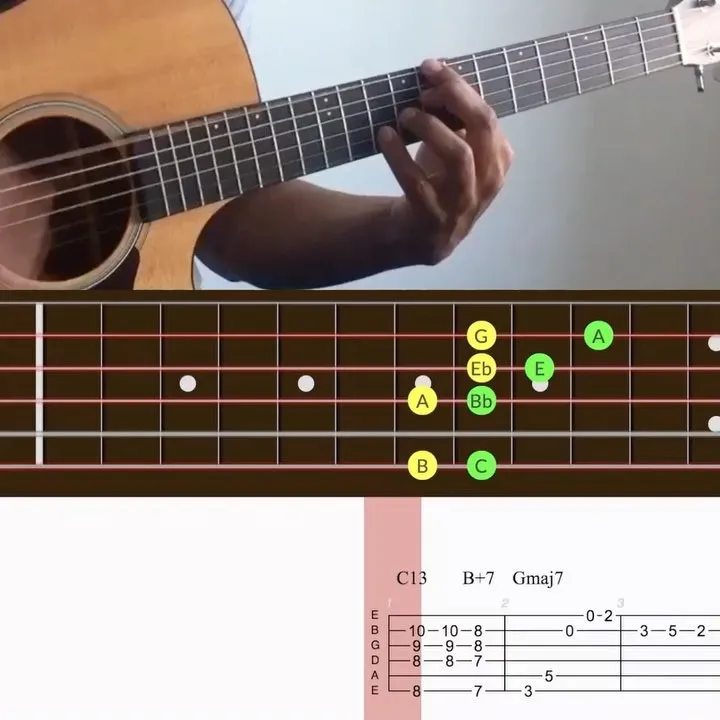
A few months later, the UI got nicer, mostly because I did. Every time I learned something new as a developer, InstantNotation got a little less embarrassing.
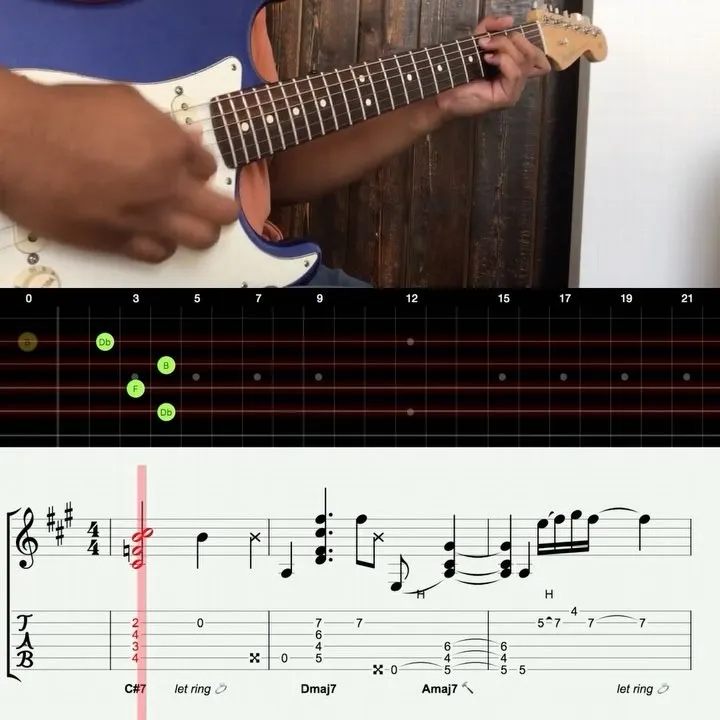
8 years ago: enter stringsync
Then came stringsync, one of the first web apps of my software engineering career. Fretboard, piano, notation and tab, all lighting up together while the video played. Musicians are airbenders, I said at the time, and I stand by it.
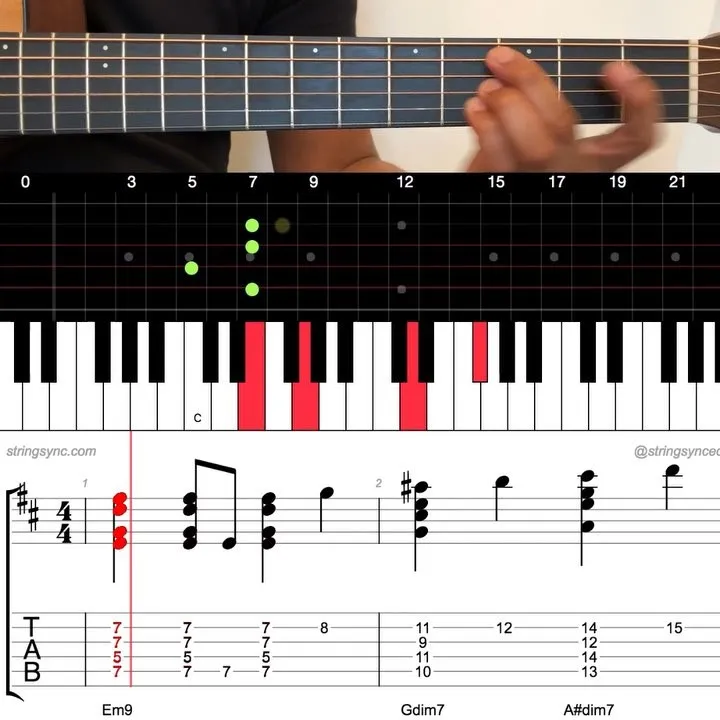
Then life happened
Then it happened again. And again. You get the idea. Music, and the dream, went on pause.
sound2score, take one
When I came back, sound2score bet everything on audio-to-MIDI: play anything, anywhere, and the app hears every note. The plan was interactive exercises you could do on a bus, teaching intuition one note at a time.
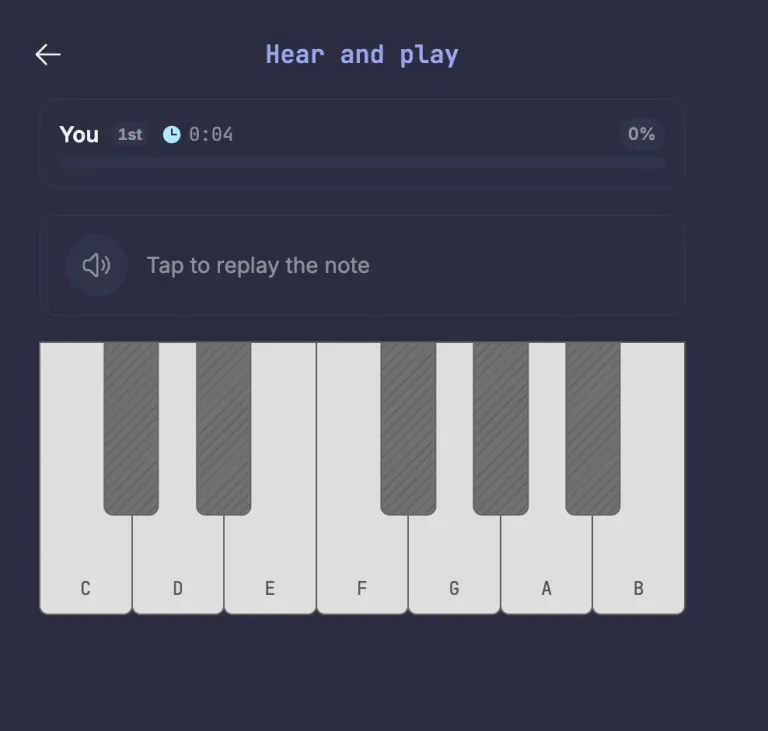
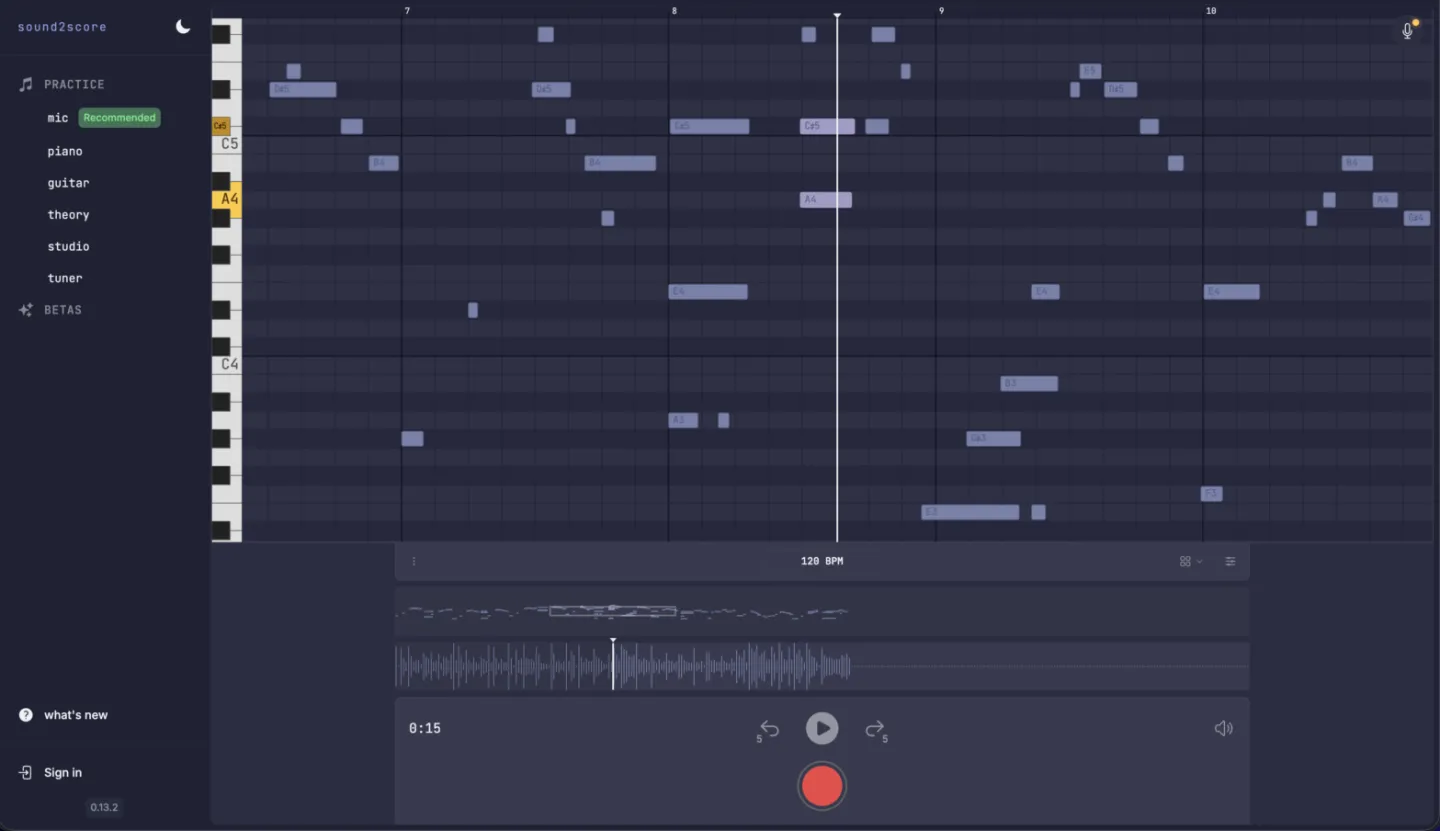
Audio-to-MIDI never worked well enough outside a studio, though. Most of us practice in a kitchen with the dishwasher running, not in a booth with a nice microphone.
Back to my roots
Learning through music notation is fun. Social media is fun. Why not both? That's the sound2score you're looking at: your scores, your recordings, notes that follow along, and a page you can share. It's the InstantNotation idea, ten years and a lot of padding later.
I'm happy to announce this is the final iteration. At least for a while. I've learned not to promise more than that.